Organisers
- Home /
- Organisers
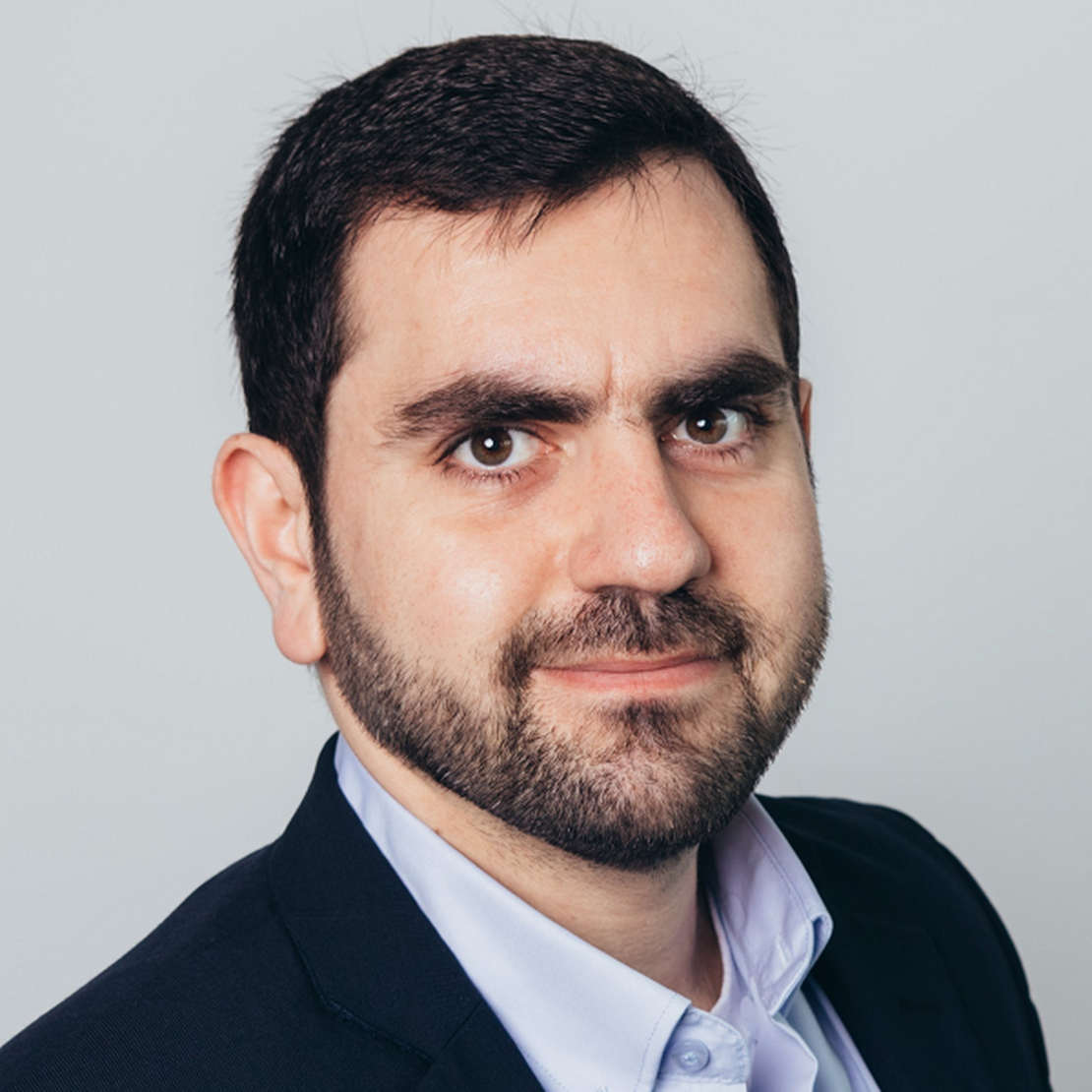
Hasan Abu-Rasheed
Hasan Abu-Rasheed is a postdoctoral researcher in the field of artificial intelligence in education, with a particular focus on explainable AI (XAI), knowledge graphs, and semantic technologies. He is conducting his research at Goethe University Frankfurt, Germany, where he contributes to the development of AI-driven tools for higher education, ranging from intelligent dialogue systems (chatbots) to agent-based workflows for semantic information extraction and explainable learning analytics and feedback.
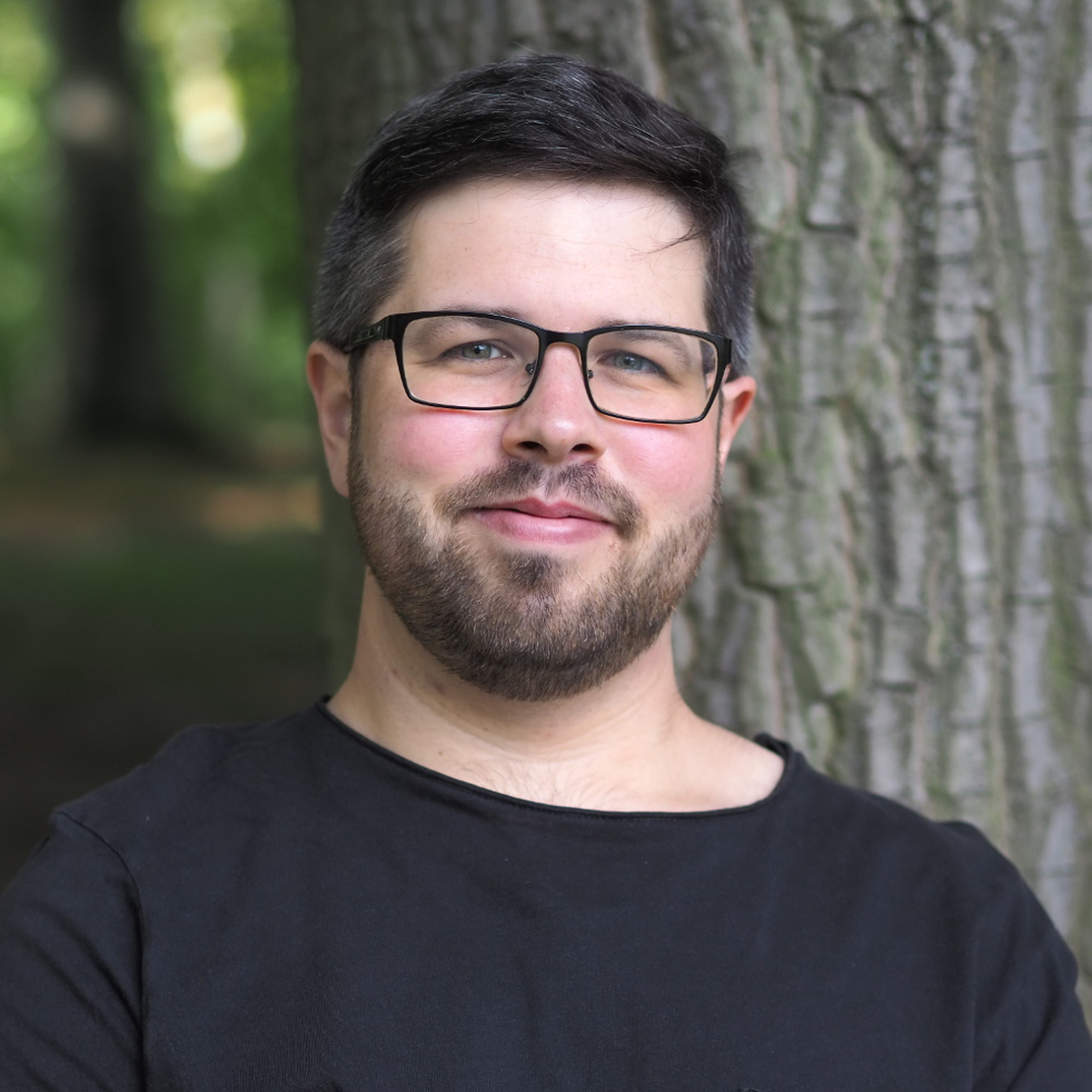
Jakub Kuzilek
Jakub Kuzilek is affiliated as a researcher/research software engineer with the Learning Science in Higher Education research group at FernUniversität in Hagen. His research focuses on learning environments powered by machine learning systems development, explainable machine learning in education and predictive analysis of student behaviour in online environments.
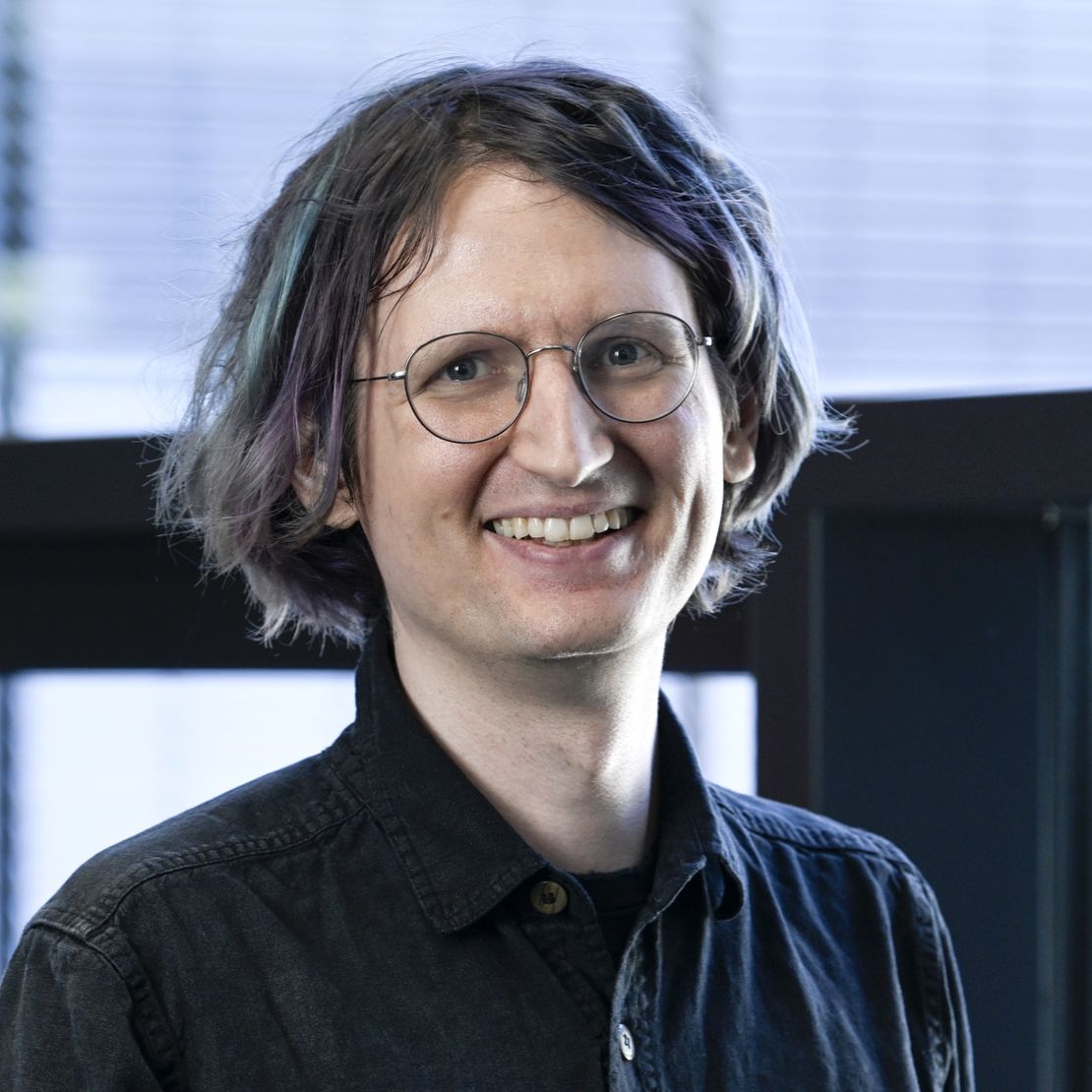
Benjamin Paaßen
Benjamin Paaßen is junior professor for knowledge representation and machine learning at Bielefeld University. Their research focuses on interpretable, explainable, and domain-informed machine learning, especially for intelligent tutoring systems. As part of the large-scale research projects SAIL, KI-Akademie OWL, and the collaborative research center TRR318 “Constructing Explainability”, they engage both in foundational research as well as science communication to explain opportunities as well as limitations of contemporary AI systems.
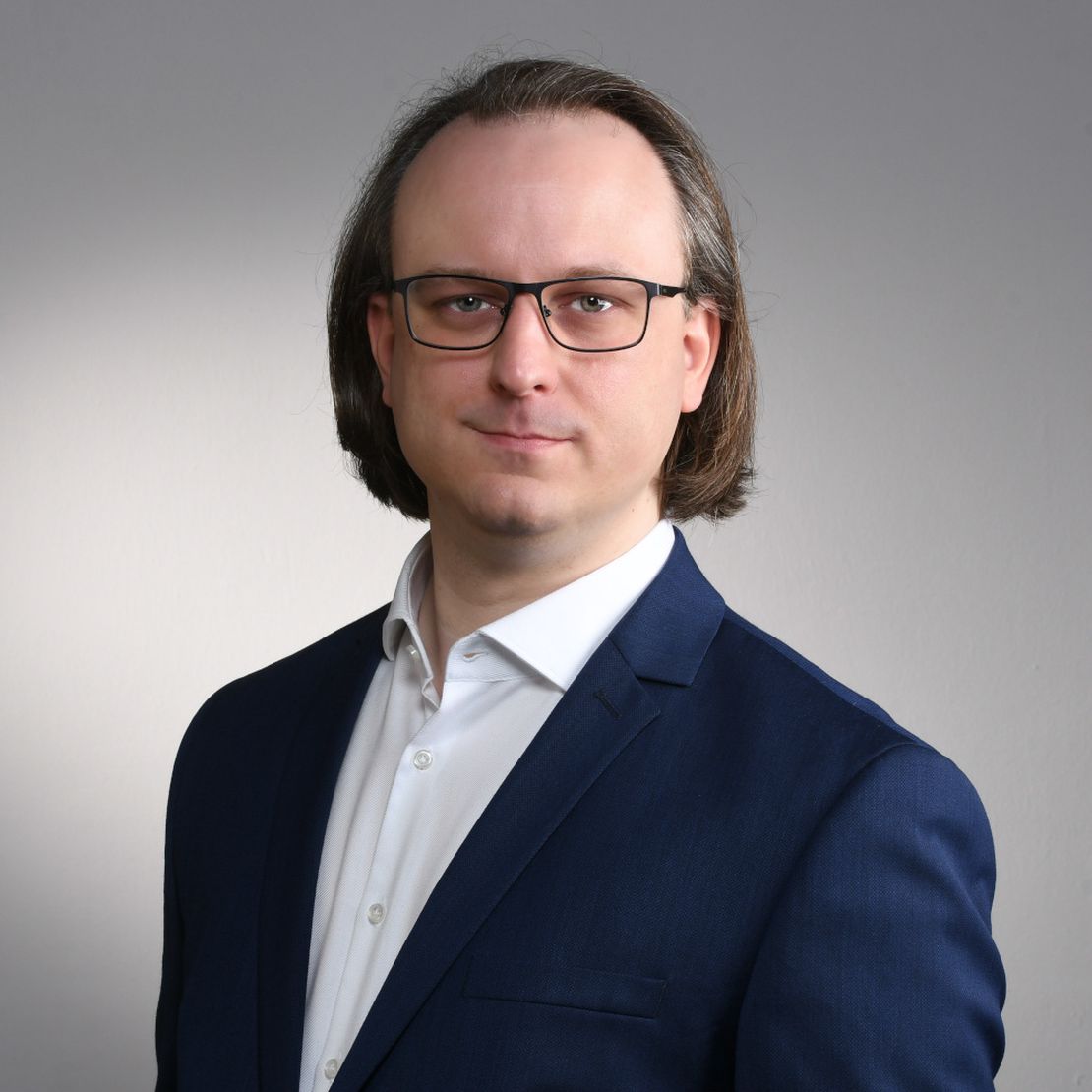
Christian Weber
Dr. Christian Weber is leading the research group Medical Informatics and Graph-based Systems (.MIGS), jointly with Prof. Dr.-Ing. Kai Hahn in the faculty of Science and Technology at the University of Siegen. Christian Weber’s research focuses on Graph-based Systems, Recommender Systems, and AI, which he is applying in medicine, education, and manufacturing. He represented the professorship of Medical Data Science from 2022 till 2024 at the University of Siegen. He acquired his PhD from the Corvinus University Budapest in Hungary, as part of a Marie Skłodowska-Curie Actions Doctoral Network, where he laid new foundations for knowledge intense, individualized learning path recommendations for vocational educational training in medical and industrial applications.
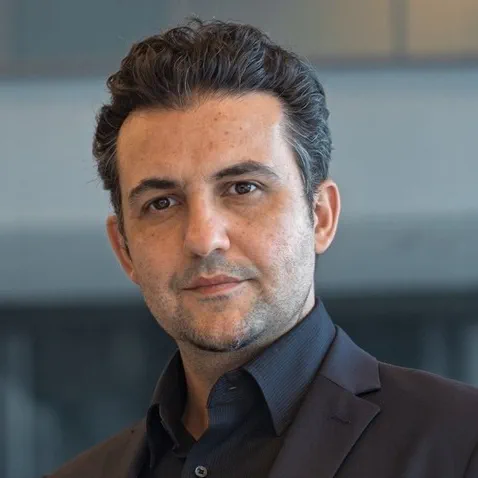
Hassan Khosravi
Associate Professor Hassan Khosravi is a recognised leader in Data Science and Artificial Intelligence in Education at The University of Queensland. His research sits at the intersection of learning sciences and human–computer interaction, with a particular focus on advancing the responsible and ethical use of AI in education. He has taught more than 15,000 students across a wide range of courses, authored over 100 peer-reviewed publications, and secured more than $6 million in competitive research funding. His contributions are shaping both scholarly discourse and practical innovation on the transformative role of AI in education.
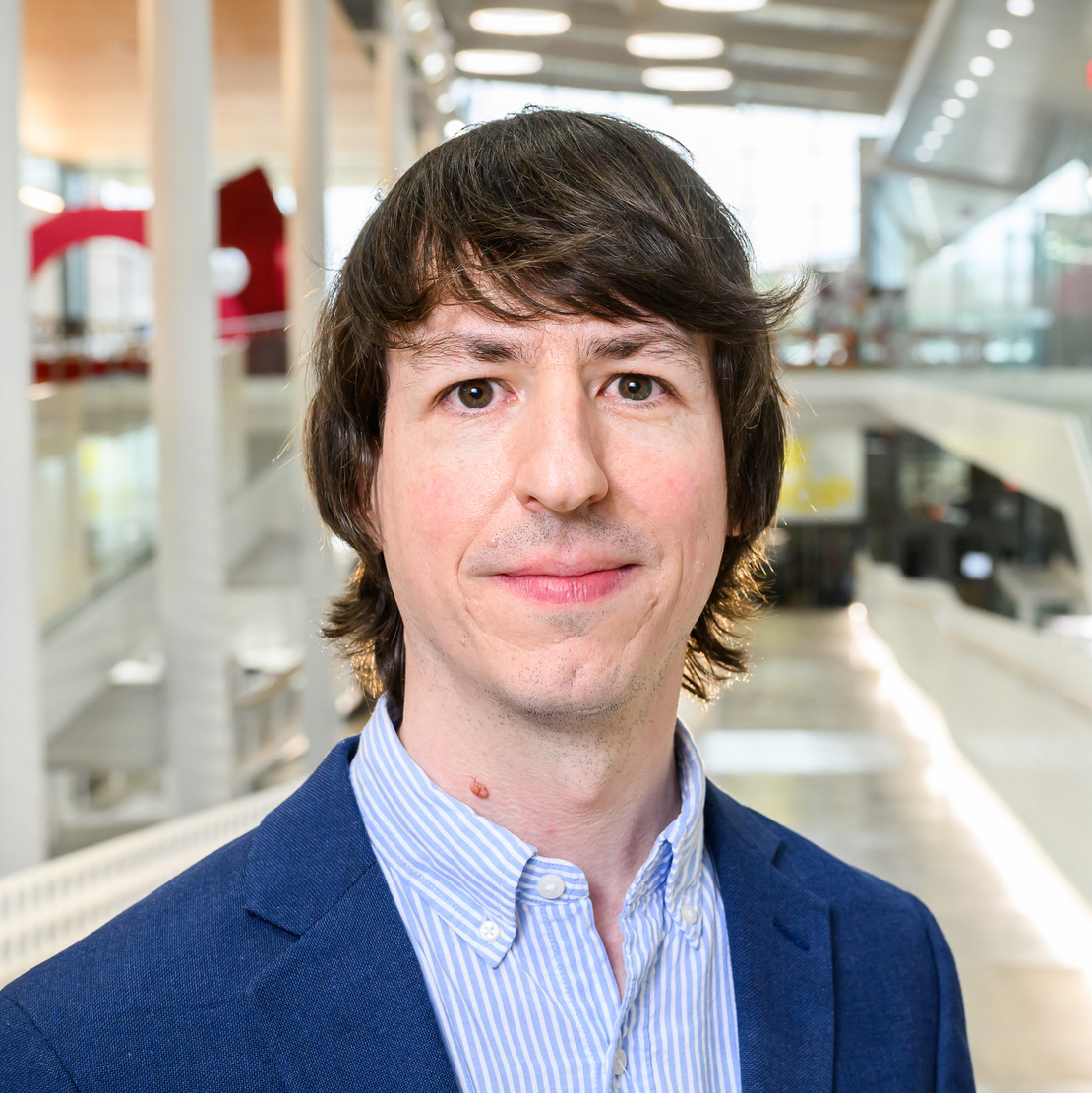
Luc Paquette
Luc Paquette is an associate professor in the department of curriculum & instruction at the University of Illinois Urbana-Champaign. His research focuses on the usage of machine learning, data mining and knowledge engineering approaches to analyze and build predictive models of the behavior of students as they interact with digital learning environments such as MOOCs, intelligent tutoring systems, and educational games. He is interested in studying how those behaviors are related to learning outcomes and how predictive models of those behaviors can be used to better support the students’ learning experience.
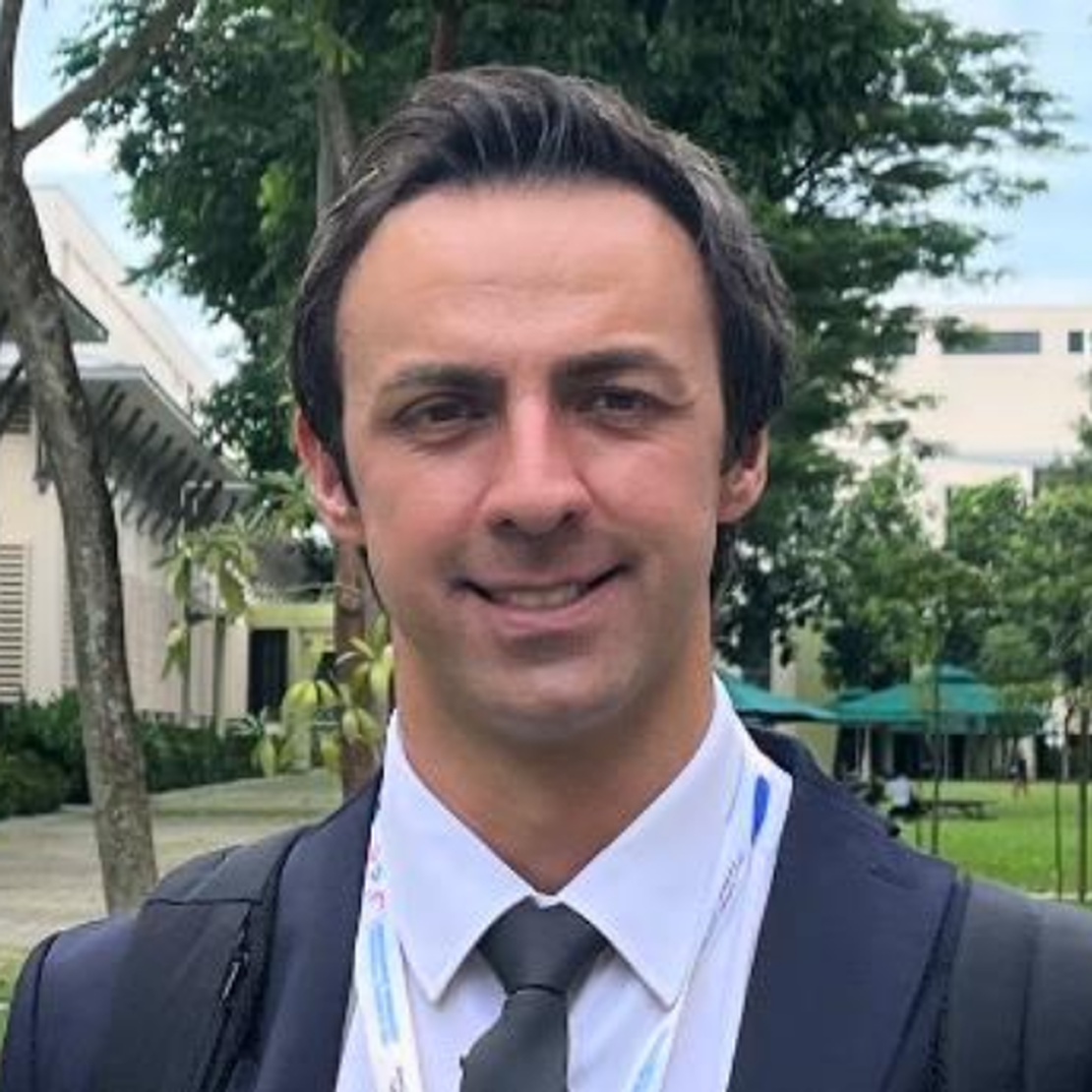
Mutlu Cukurova
Prof. Mutlu Cukurova is affiliated with UCL Knowledge Lab at the Institute of Education and UCL Centre for Artificial Intelligence at the Faculty of Engineering at University College London. He investigates human-AI complementarity in teaching and learning contexts and leads the UCL Learning Analytics and AI in Education group at UCL Knowledge Lab. He is engaged in policy-making activities as an external expert for UNESCO, OECD, and EC authoring numerous influential policy reports (e.g. UNESCO AI competency framework for teachers and Teachers agency in the age of AI). He was the programme co-chair of the International Conference of AI in Education in 2020 and is named in Stanford’s Top 2% Scientists List. He is also Editor-in-Chief of the British Journal of Educational Technology and Associate Editor of the International Journal of Child–Computer Interaction.
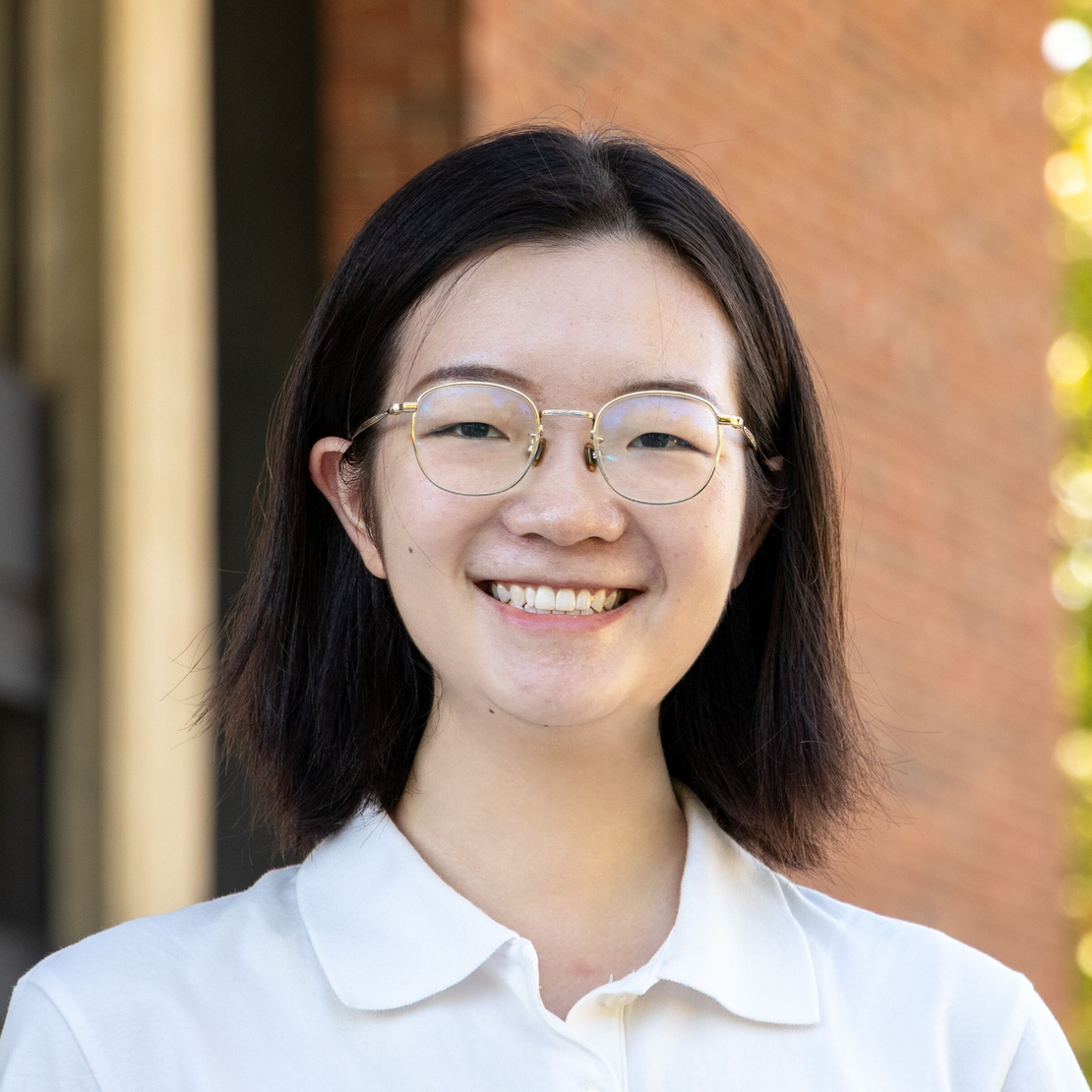
Qianhui (Sophie) Liu
Qianhui (Sophie) Liu is a PhD student at the University of Illinois Urbana-Champaign. Her research in the HEDS lab focuses on applying data mining methods in combination with learning science theories to help improve the efficiency of teaching and learning in various educational settings. She is interested in closing the loop of machine learning to humans for actionable insights through explainable models and techniques.
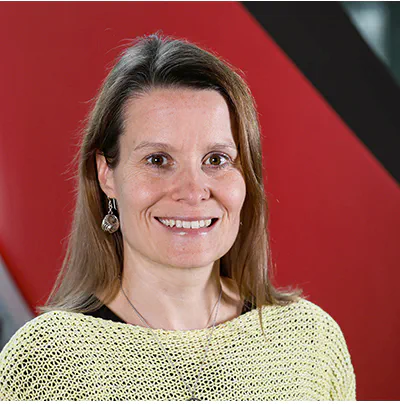
Tanja Käser
Tanja Käser is an assistant professor at the EPFL School of Computer and Communication Sciences (IC) and head of the Machine Learning for Education (ML4ED) laboratory. Her research lies at the intersection of machine learning, data mining, and education. She is particularly interested in creating accurate models of human behavior and learning, with a focus on building models that are generalizable, interpretable, and fair.

Vinitra Swamy
Vinitra Swamy is a postdoctoral researcher at EPFL. Her research with the ML4ED lab involves explainable AI for education, especially through the lens of reducing adoption barriers for neural networks. Her recent work focuses on uncovering disagreement in post-hoc explainers, using learning science experts to validate explainer accuracy and actionability, and proposing interpretable-by-design neural network architectures.